
Roven proprietary development

H₂S and reactive-material treatment

A defined sour stream. A complete treatment assessment.

The operating question

Is the proposed material suitable for the nominated H₂S duty, including contact, compatibility and reaction-product handling?

Explore the sequence ↓
Inside the application

See how the solution connects.

Explore five stages, from the operating requirement to the next supported decision.

Roven proprietary developmentIllustrative application sequence
Illustrative Roven H₂S treatment concept with reactive-material samples, closed vessels and a gas detector.
Defined sour-fluid applicationsAI-generated application concept
  1. 01Nominate the stream
  2. 02Qualify the material
  3. 03Integrate contact
  4. 04Plan residual handling
  5. 05Verify the response
Step 01 / Nominate the stream

Define the actual treatment duty.

Identify the fluid, H₂S loading and variability, flow, operating conditions and current arrangement. Agree what the treatment must achieve.

Decision outputA bounded treatment requirement
Technical checks

Stream analysis, loading range, contact opportunity and required acceptance basis.

Step 02 / Qualify the material

Compare useful response and compatibility.

Evaluate candidate capacity, kinetics and compatibility for the nominated duty. For fixed-media arrangements, establish the relevant breakthrough basis.

Decision outputA candidate and demonstrated envelope
Technical checks

Candidate identity, representative conditions, response method and capacity basis.

Step 03 / Integrate contact

Match treatment to the operating arrangement.

Develop the dosing or contact concept with the required equipment and specialist interfaces. Define monitoring and operating responsibilities before deployment.

Decision outputA scoped application package
Technical checks

Contact time, mixing or bed duty, equipment interfaces and monitoring requirements.

Step 04 / Plan residual handling

Include what remains after treatment.

Assess reaction products, spent material, fluid compatibility and the agreed handling route as part of treatment selection and application planning.

Decision outputA defined handling and compatibility basis
Technical checks

Reaction-product behavior, downstream impacts and site-specific handling requirements.

Step 05 / Verify the response

Measure the complete treatment result.

Compare inlet/outlet measurements, consumption and operating observations against agreed criteria. Review variability and limitations before continuation or expansion.

Decision outputA supported treatment decision
Technical checks

Consistent sampling, measurement basis, consumption and observed operating consequences.

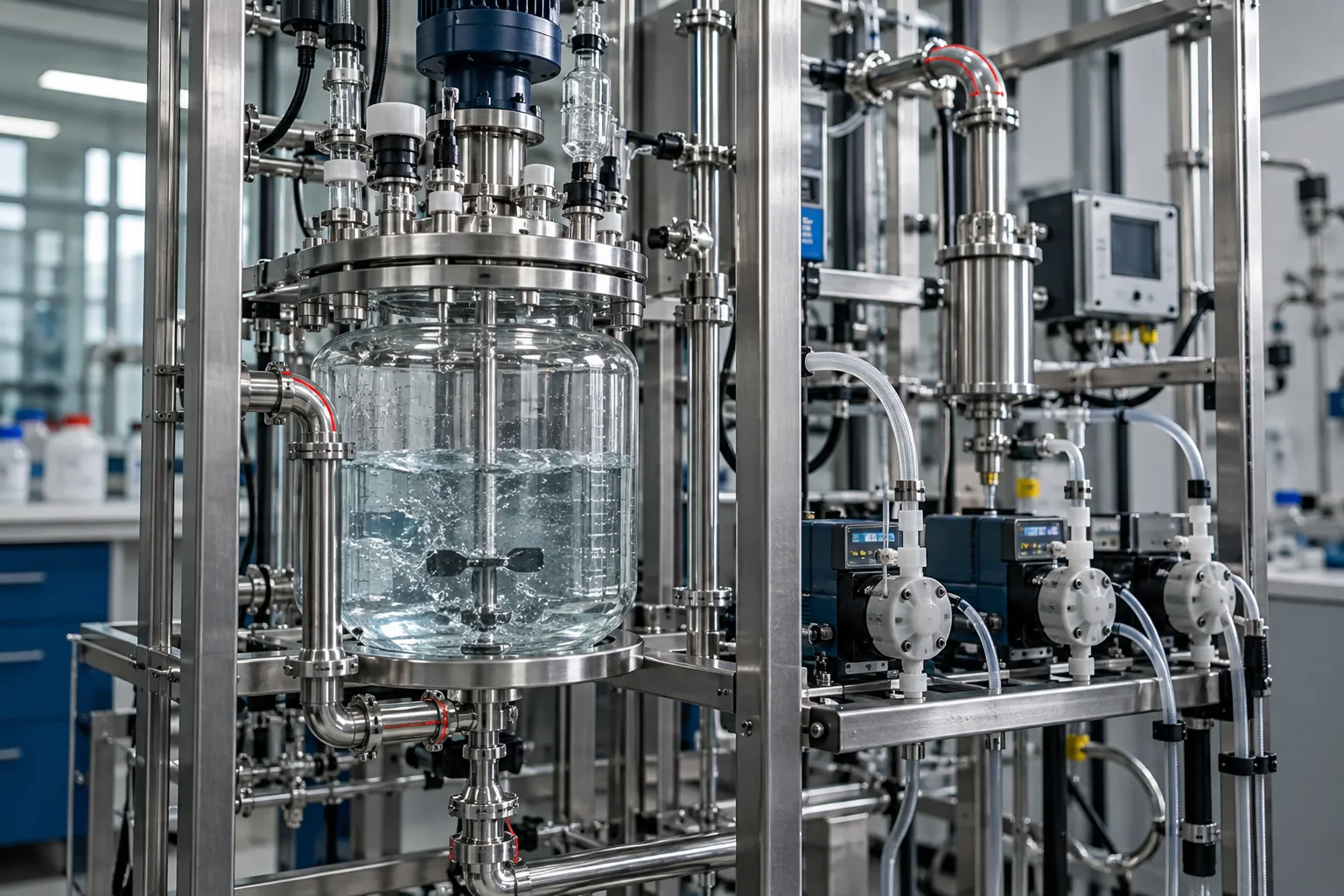
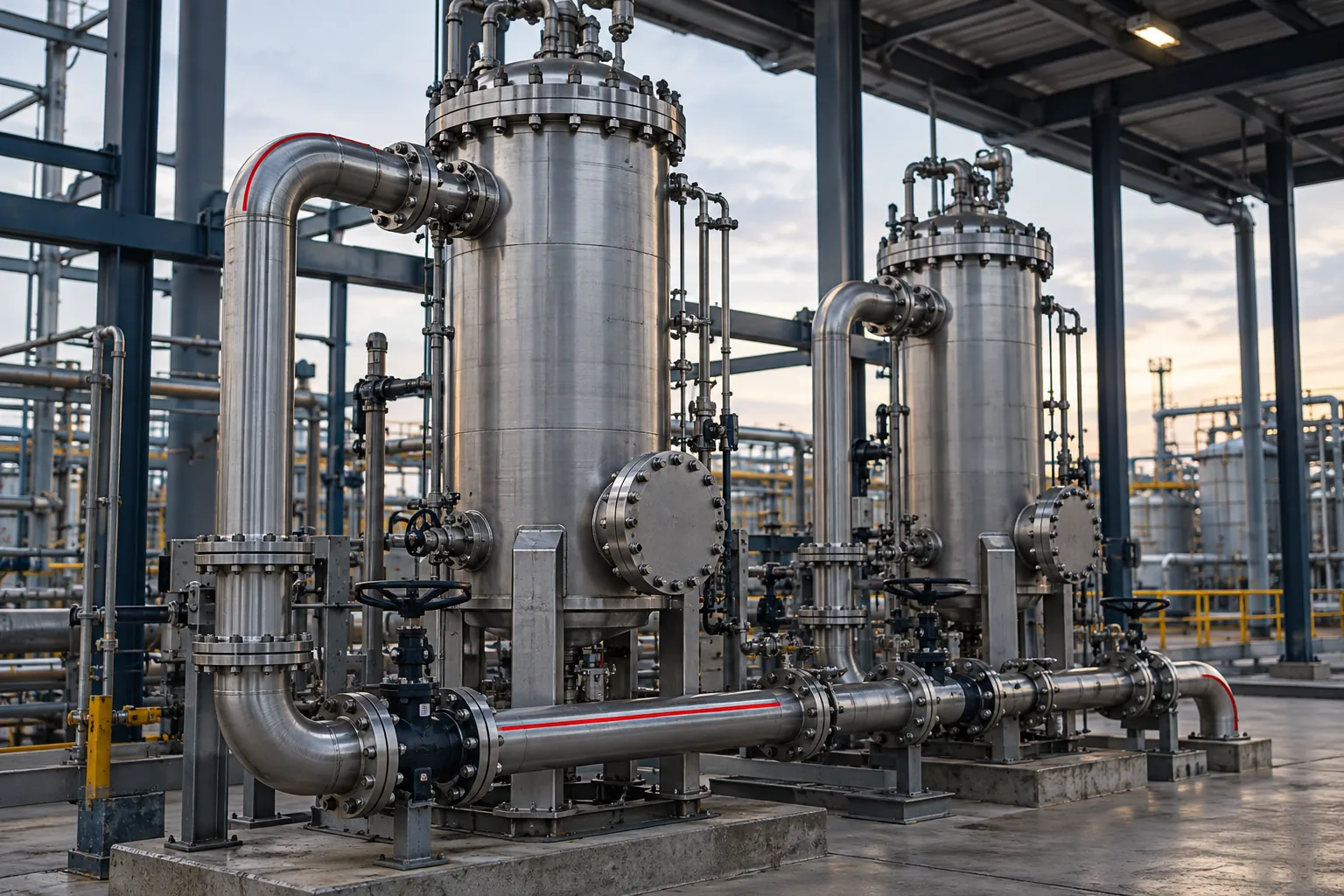
Illustrative application sequence. Roven-branded scenes are AI-generated application concepts; the recovery image is industry reference photography. Neither constitutes a completed Roven installation, validated engineering layout or measured treatment result.

Fit, qualification and value

Evaluate the material and the complete treatment duty.

Where this approach can fit

Selected liquid, drilling-fluid, sour-water or small gas applications within the demonstrated envelope of the nominated treatment.

Roven’s contribution

Roven’s reactive-material and treatment-development direction. Material rights, authorized supply and the specific application package are defined for each offer.

Qualification basis

Qualification is duty-specific. The demonstrated envelope and safety interfaces must be established before deployment.

Operating limits and interfaces

Stream composition, H₂S loading and variability, contact, capacity, kinetics, breakthrough and spent-material handling require qualification. Process and safety interfaces are separately engineered.

Value measures to agree

  • Inlet/outlet response on an agreed basis
  • Material consumption and useful capacity
  • Compatibility, reaction products and handling requirements

Acceptance criteria, baseline, measurement period and attribution are agreed before a field evaluation. These are assessment criteria, not published performance results.

First engagement

Technology-fit & qualification assessment

A treatment comparison, operating basis and controlled-pilot recommendation for the agreed duty.

Discuss technology fit
The next step

Bring us the application.

The right starting point is the actual stream, conditions and required operating result.

Discuss Your Technical Challenge