Water chemistry understood in its operating context.
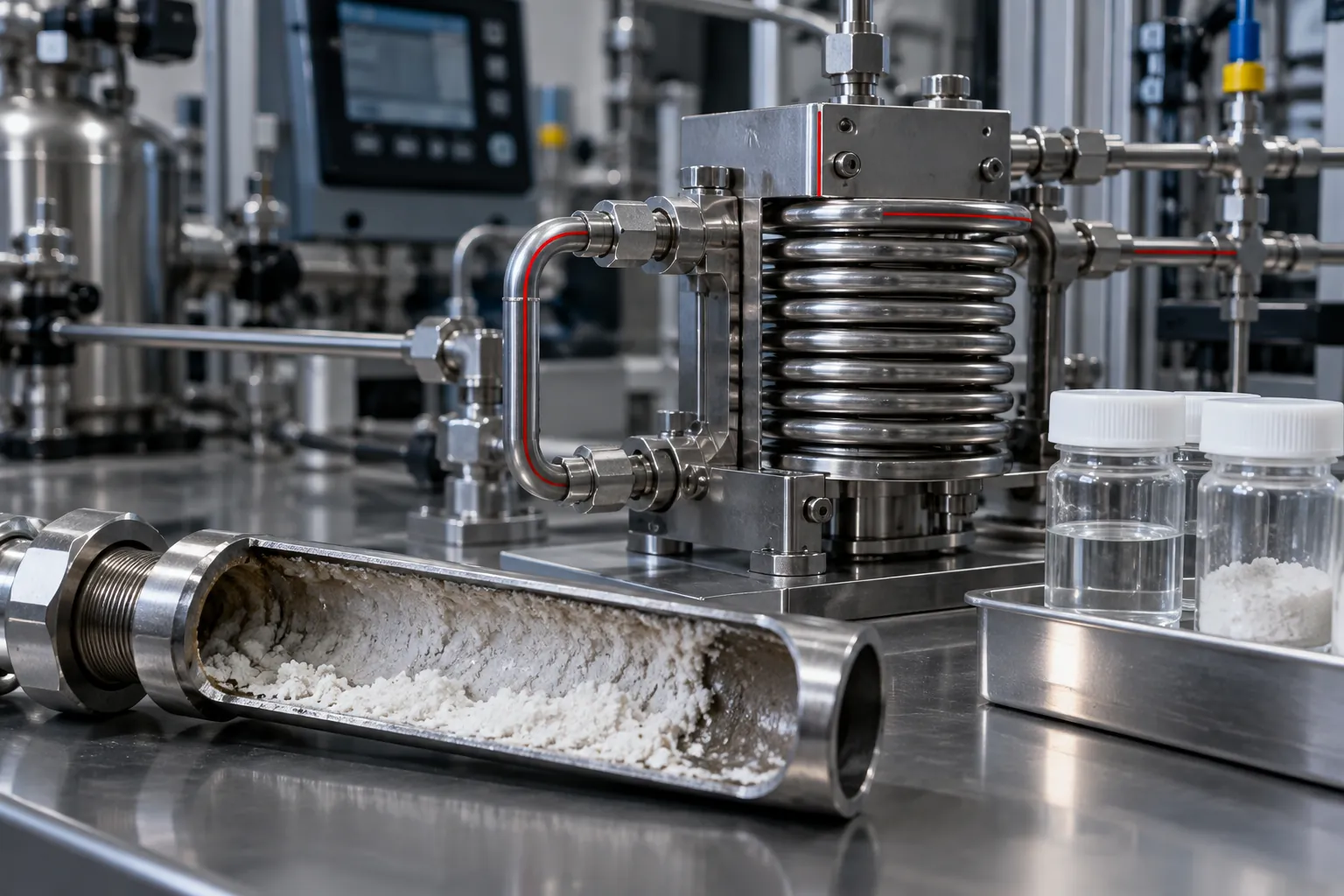
Oil, solids, incompatible water mixing and treatment precipitation can undermine a water system. The right assessment follows the complete treatment and injection context.
What we assess
- Produced-water characterization and full ionic brine analysis
- High salinity, hardness and water-mixing compatibility
- Oil removal, conditioning, filtration and polishing interfaces
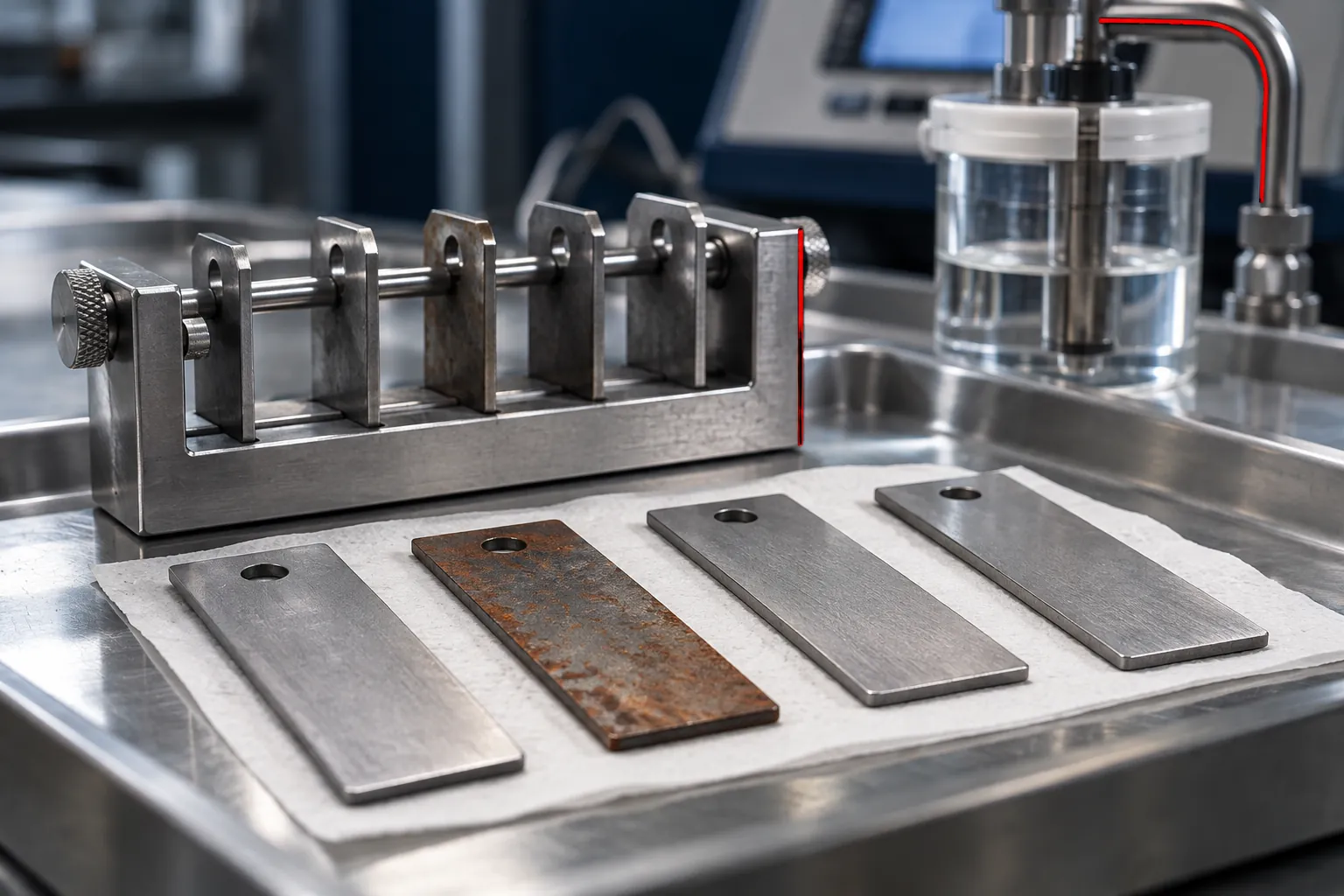
- Scale, corrosion and injection-quality assessment
What your team receives
- Water-system diagnostic and compatibility assessment
- Ranked treatment and conditioning options
- Qualification plan and monitoring basis
Chemistry, technology and engineering
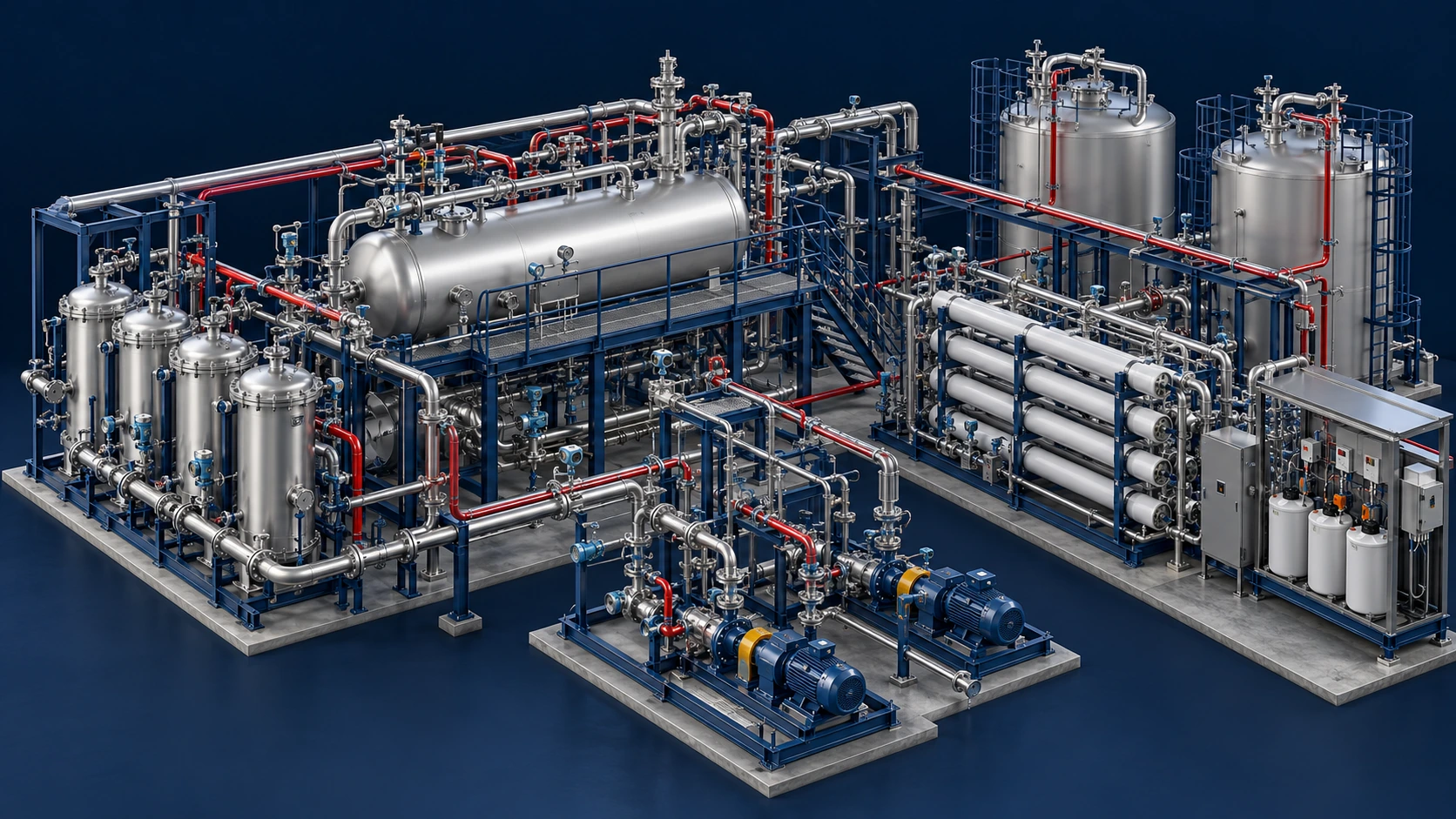
Water chemistry, separation and conditioning connect with filtration, polishing and injection-quality requirements. Scale and corrosion treatments are selected for the characterized system.
Qualification and deployment
- Characterize representative water and the full mixing, treatment and injection context.
- Compare separation, conditioning, brine compatibility and co-treatment response against agreed quality requirements.
- Define the application, equipment interfaces, monitoring and trial criteria before evaluating continued use or scale-up.
Intended benefits and supporting evidence
The intended value is water treatment better matched to the reuse or injection duty, with controlled compatibility and clearer operating and treatment-cost decisions.
Agree the baseline, acceptance criteria and attribution method before the trial. Supporting laboratory or field evidence is reviewed for the nominated application; the value measures on this page are evaluation criteria, not published performance results.
Technical leadership and delivery
Roven leads the integrated assessment. Laboratories, water-process and injection specialists perform the relevant analysis and design.
Application boundaries
Salt-tolerant chemistry does not remove dissolved salts. Surface separation alone does not reduce reservoir water production.