Chemistry connected to the operating system.
Persistent emulsions, deposits, poor fluid quality or high chemical consumption can reflect both chemistry and application conditions. We assess them together.
What we assess
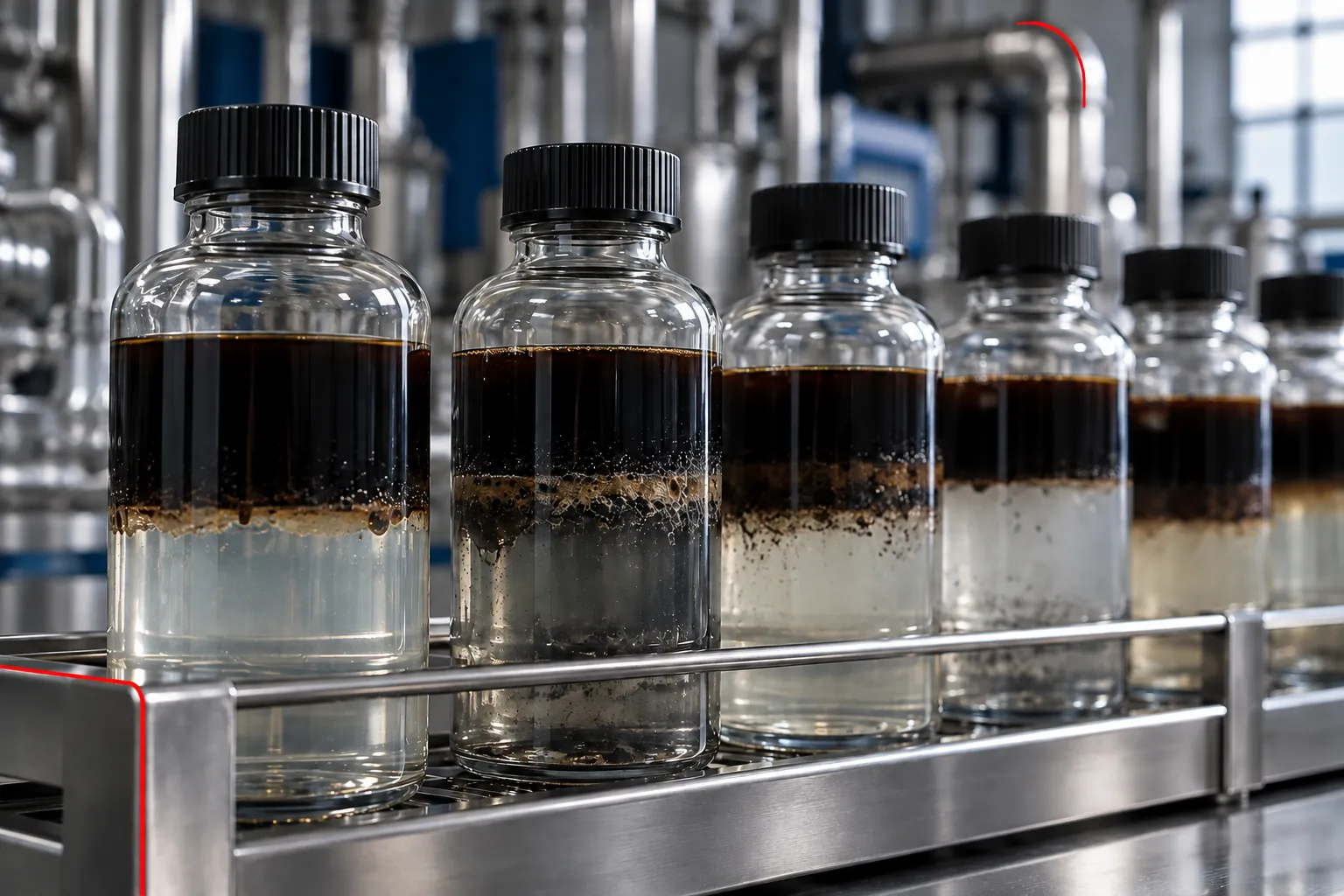
- Crude dehydration, demulsification and interface control
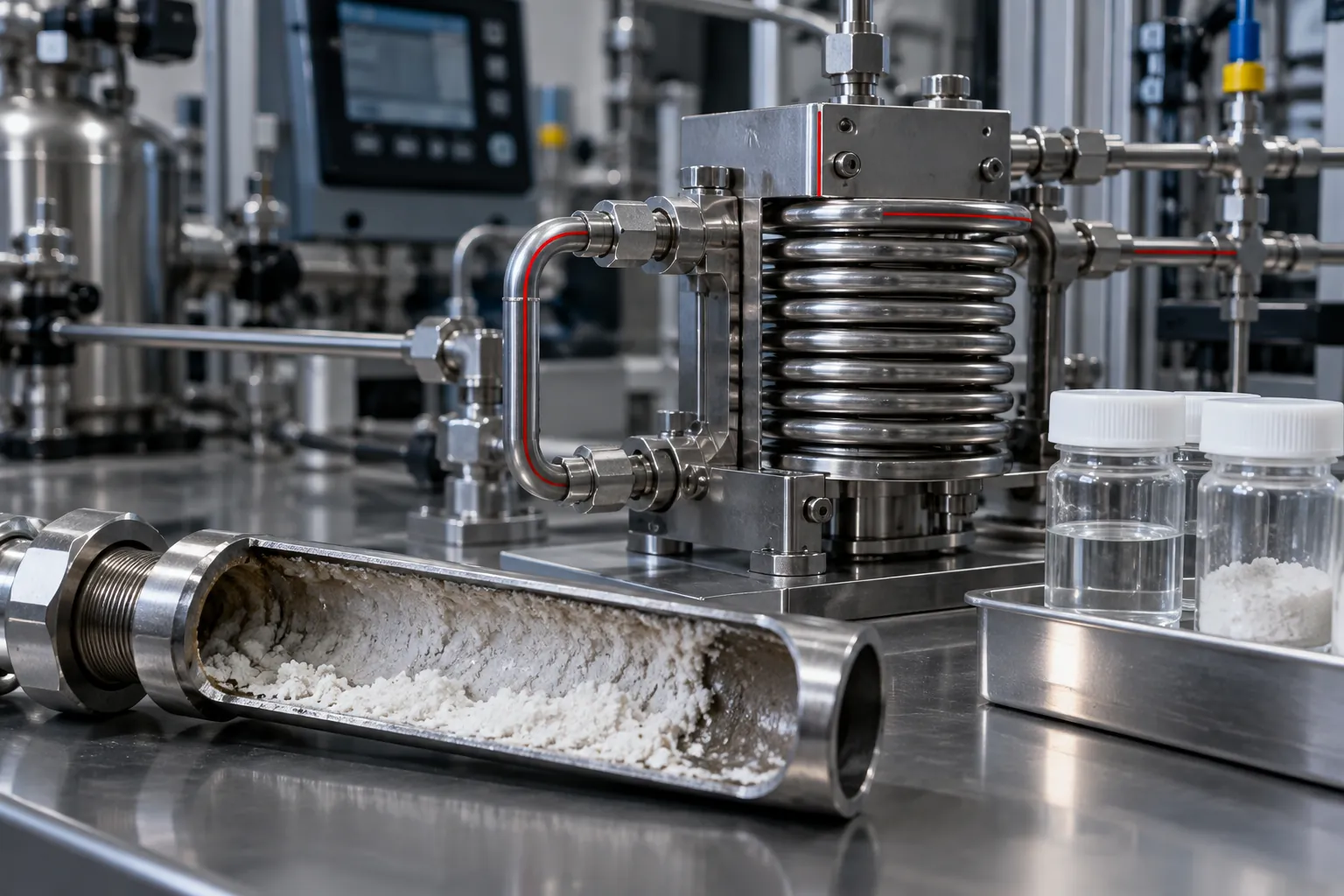
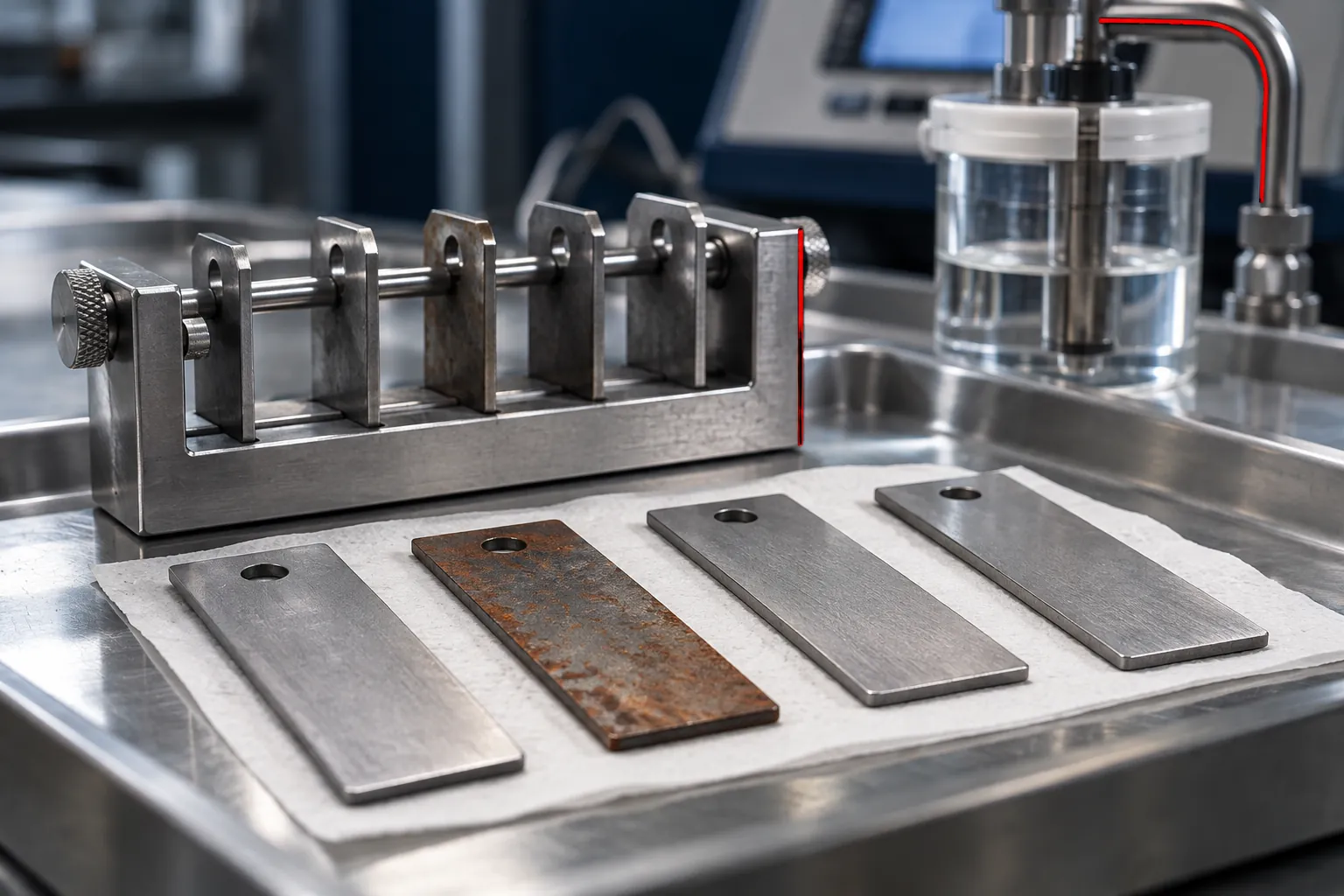
- Wax, asphaltenes, deposits, scale and corrosion treatment
- Chemical compatibility and demanding-condition performance
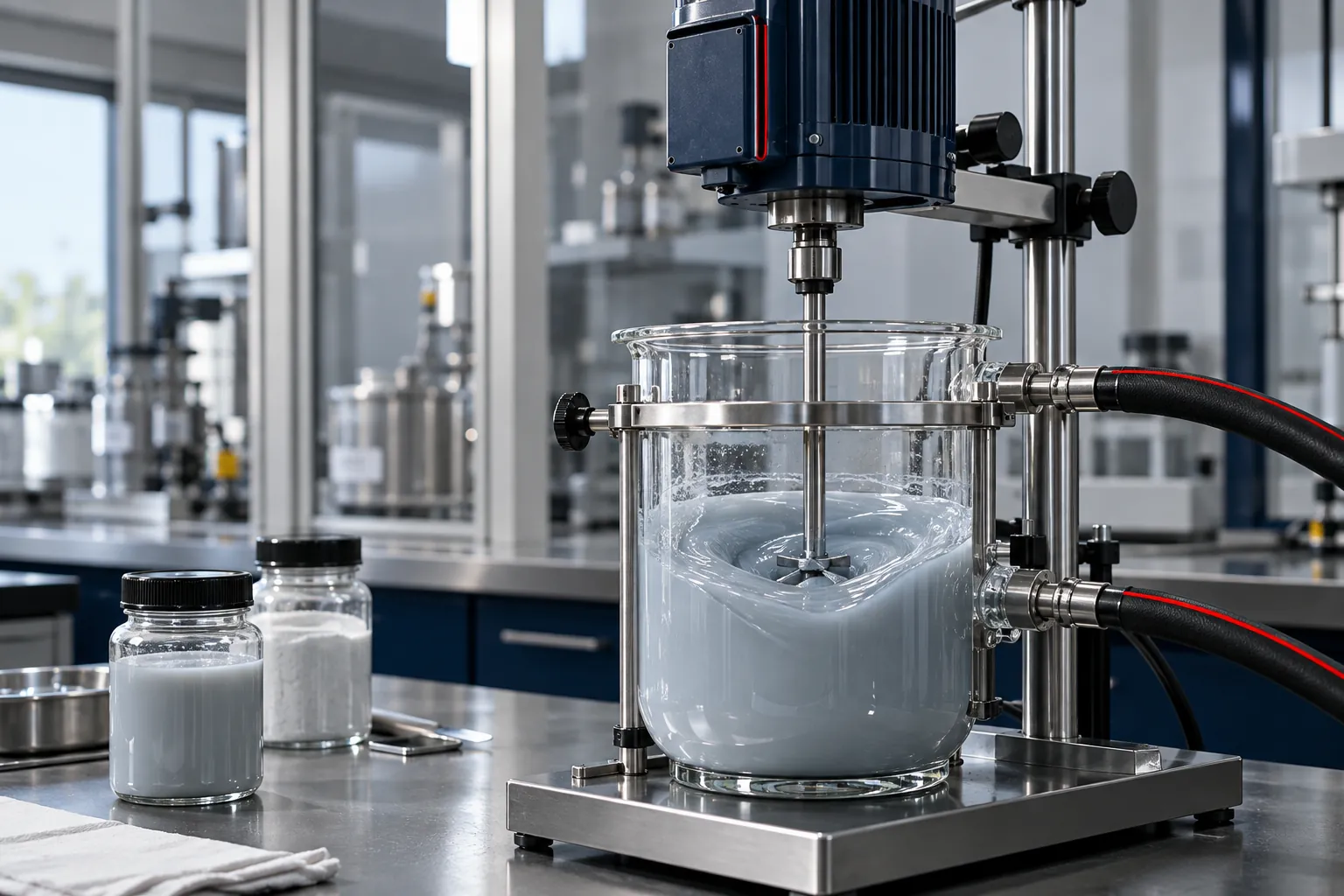
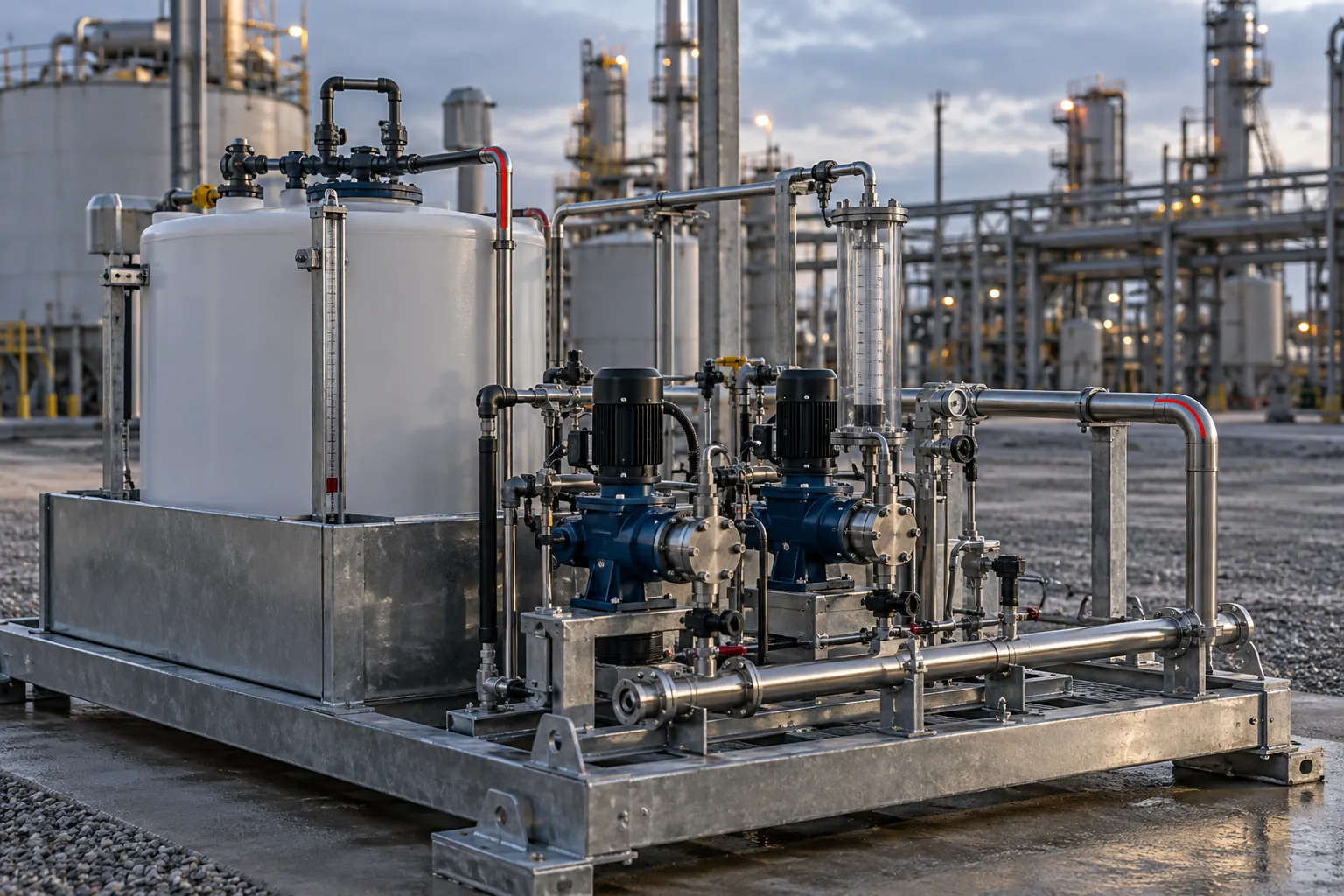
- Injection location, actual dose, mixing and residence time
What your team receives
- Chemical-program assessment and incumbent benchmark
- Comparative qualification report with application limits
- Application recommendation and controlled comparison plan
Chemistry, technology and engineering
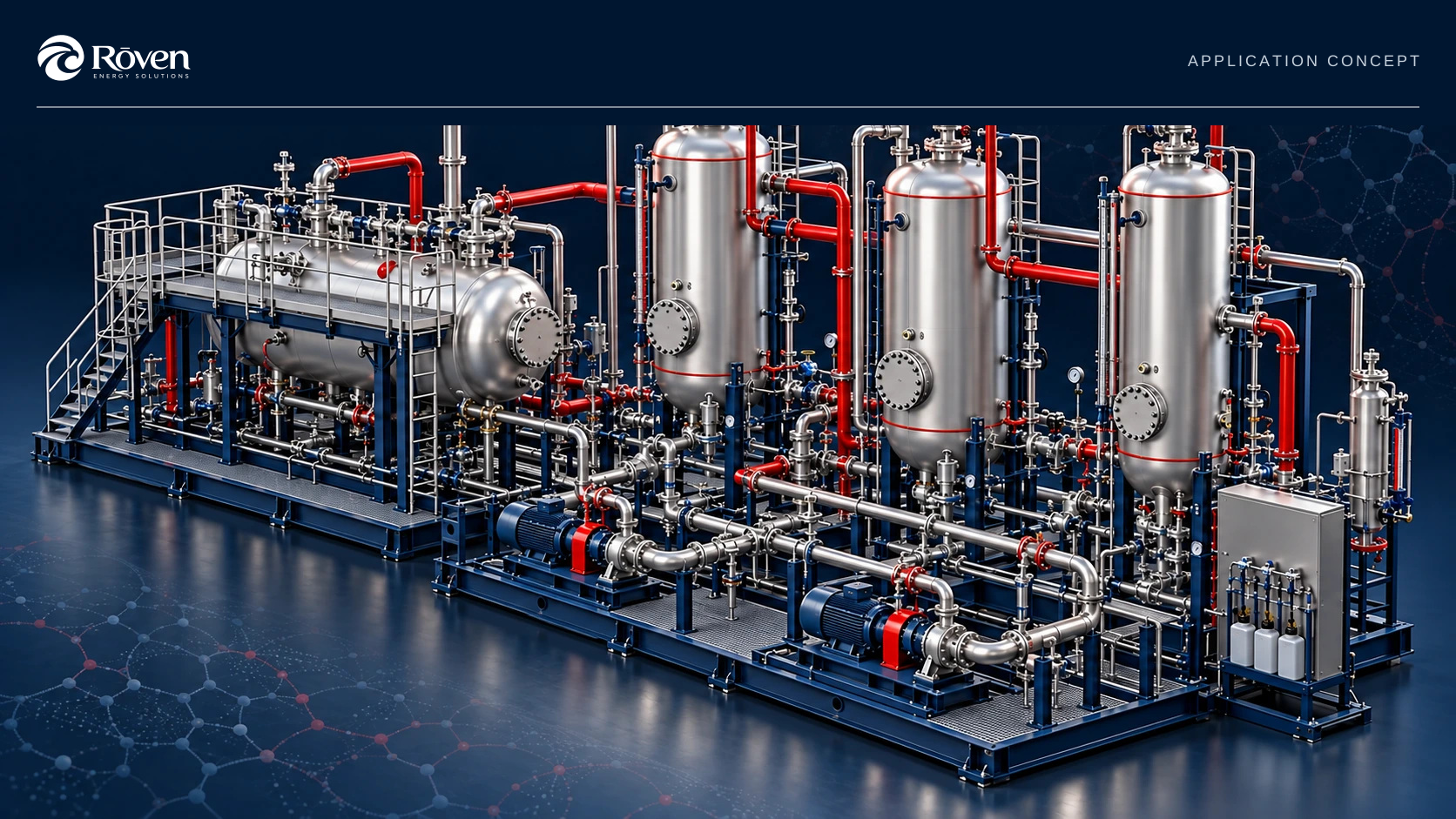
Emulsion, deposit, scale, corrosion and compatibility assessments connect candidate chemistry with injection, mixing, residence time and downstream processing requirements.
Qualification and deployment
- Characterize representative fluids and benchmark the current chemical program.
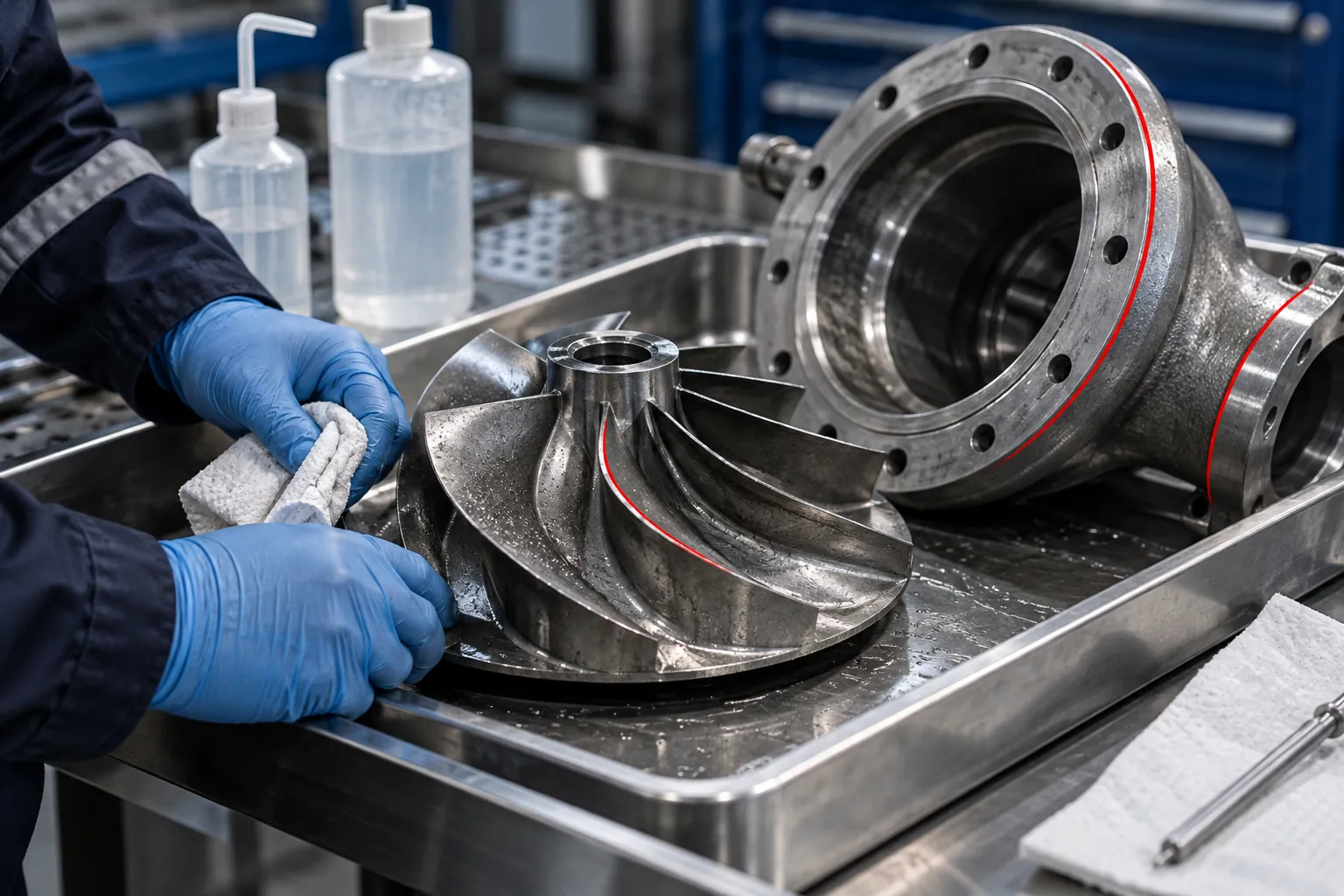
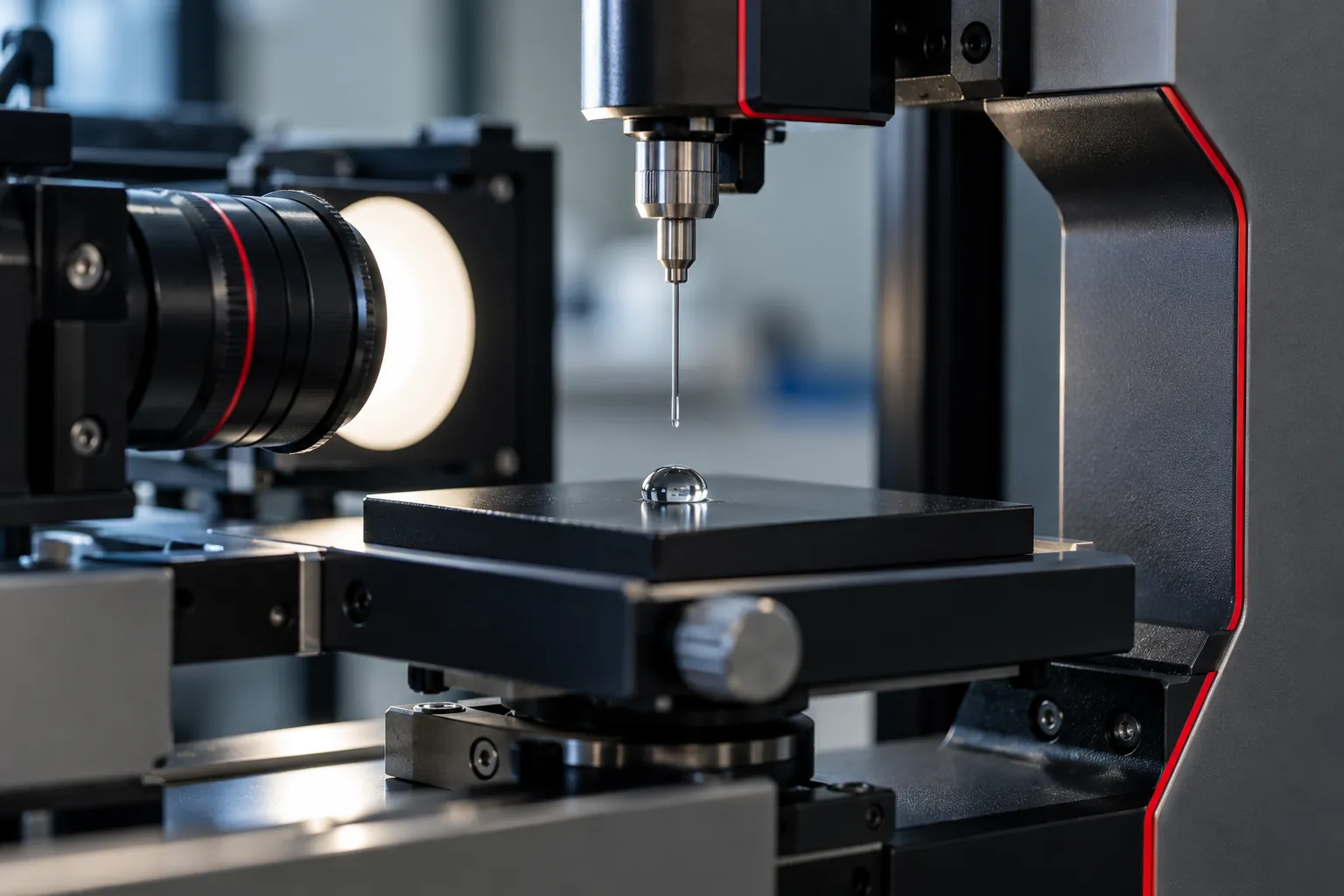
- Compare eligible treatments under representative conditions, including material and co-treatment compatibility.
- Define dosing and equipment interfaces, agree pilot criteria and verify oil quality, water quality and treatment cost during the trial.
Intended benefits and supporting evidence
The intended value is more consistent fluid quality and chemical performance, with acceptable downstream effects and a justified total treatment cost.
Agree the baseline, acceptance criteria and attribution method before the trial. Supporting laboratory or field evidence is reviewed for the nominated application; the value measures on this page are evaluation criteria, not published performance results.
Technical leadership and delivery
Roven leads diagnosis and interpretation. Laboratories, manufacturers and application specialists deliver the agreed testing and field scopes.
Application boundaries
A treatment is qualified for the nominated fluid and conditions. Improved separation or lower dose alone does not establish the complete result.