Make the next intervention a better decision.
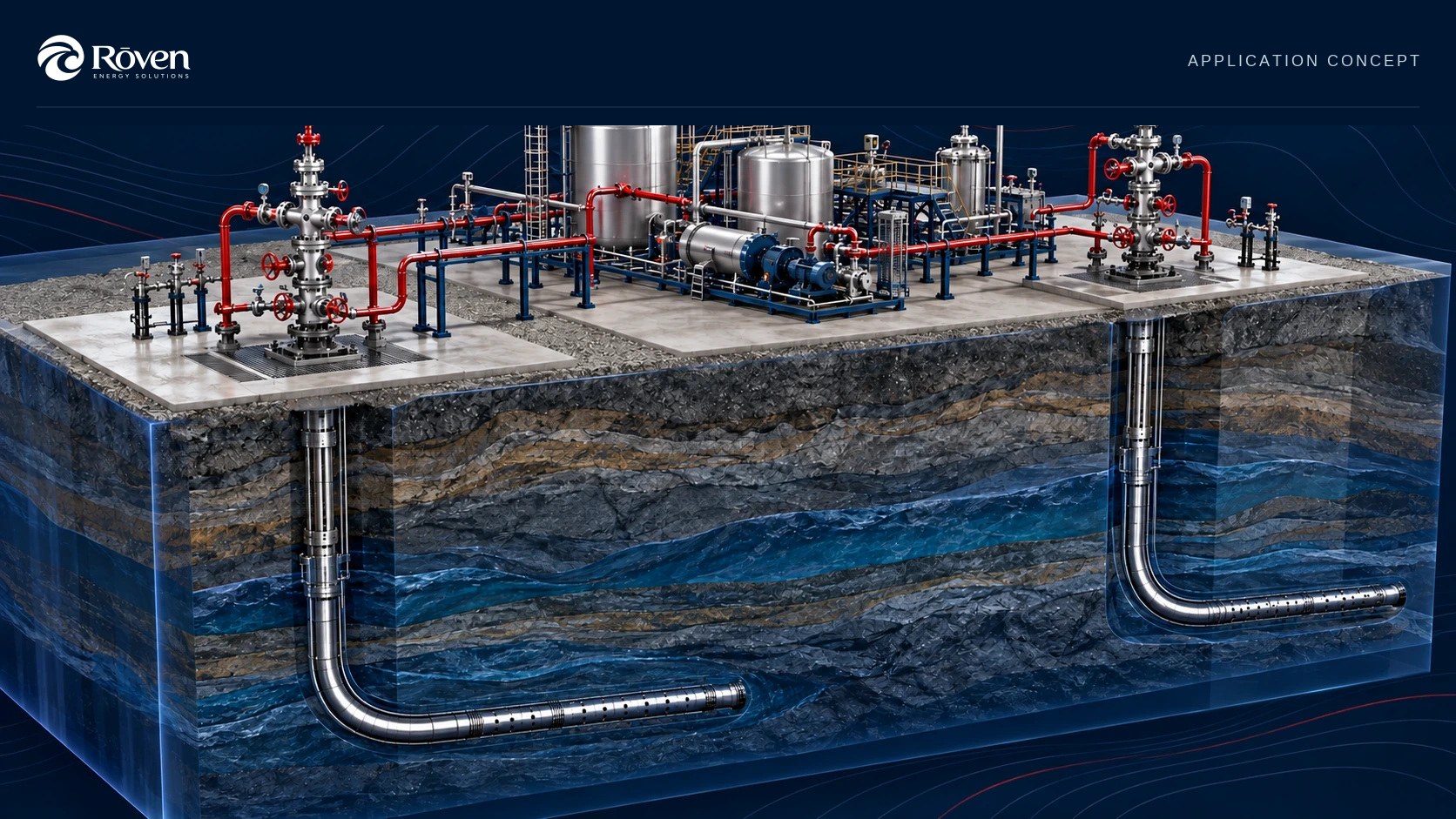
Declining output, unstable lift or increasing water production can have several interacting causes. A useful response begins with the well and production system together.
What we assess
- Well diagnostics, surveillance and production-system bottlenecks
- Artificial-lift and electrical submersible pump assessment
- Water-source diagnosis and high-water-cut assessment
- Intervention ranking and post-treatment response review
What your team receives
- Production baseline and loss assessment
- Ranked causes, evidence gaps and intervention candidates
- Forecast scenarios and a recommended next decision
Chemistry, technology and engineering
Production surveillance, well diagnostics and artificial-lift assessment establish the constraint. Selected fluid or recovery treatments are considered where the diagnosis supports them, with well and reservoir specialists defining intervention requirements.
Qualification and deployment
- Review production history, data quality and the system baseline.
- Rank candidate interventions and identify the tests, models and specialist approvals needed.
- Agree the intervention plan, operating responsibilities and post-intervention surveillance before authorized execution.
Intended benefits and supporting evidence
The intended value is a better-supported intervention decision, more stable operation and an attributable production response where the selected intervention succeeds.
Agree the baseline, acceptance criteria and attribution method before the trial. Supporting laboratory or field evidence is reviewed for the nominated application; the value measures on this page are evaluation criteria, not published performance results.
Technical leadership and delivery
Roven integrates the assessment. Production, lift, reservoir and well specialists perform the relevant discipline work.
Application boundaries
Reservoir and well specialists design interventions. Formal reserves assessments and full-field reservoir studies require separate scopes.