
Partner-enabled technology

Targeted recovery applications

Reservoir-specific evidence before a recovery pilot.

The operating question

Does the crude–brine–rock response justify a controlled recovery pilot in the selected reservoir or well?

Explore the sequence ↓
Inside the application

See how the solution connects.

Explore five stages, from the operating requirement to the next supported decision.

Partner-enabled technologyIllustrative application sequence
A remote oilfield site among arid rock formations.
Reservoir & near-wellboreIndustry reference photography
  1. 01Screen the candidate
  2. 02Test the fluid system
  3. 03Check the interfaces
  4. 04Plan a controlled pilot
  5. 05Assess the response
Step 01 / Screen the candidate

Start with a recovery hypothesis.

Review the nominated well or compartment, remaining opportunity, operating history and data quality with the relevant reservoir specialists.

Decision outputA justified candidate and test question
Technical checks

Reservoir context, production history, intervention access and surveillance feasibility.

Step 02 / Test the fluid system

Connect chemistry to crude, brine and rock.

Compare selected recovery chemistries using appropriate wettability, interfacial-tension, imbibition or core-response methods.

Decision outputAn application-specific comparison
Technical checks

Representative materials, controls, test conditions and recovery mechanism.

Step 03 / Check the interfaces

Consider retention and flow consequences.

Assess relevant retention, compatibility, injectivity and produced-fluid effects. Identify additional evidence required before designing a field pilot.

Decision outputA bounded pilot candidate
Technical checks

Retention, injectivity, compatibility and downstream separation considerations.

Step 04 / Plan a controlled pilot

Make the field response interpretable.

Appointed specialists establish the pilot design, operating responsibilities, baseline, observation period and acceptance criteria with the operator.

Decision outputAn authorized pilot and monitoring basis
Technical checks

Baseline, surveillance, operating controls, responsibilities and stop/review criteria.

Step 05 / Assess the response

Review persistence and attribution.

Evaluate the observed response and competing operational changes before considering another application or wider use.

Decision outputA justified next recovery decision
Technical checks

Observation period, production variability, treatment persistence and attribution.

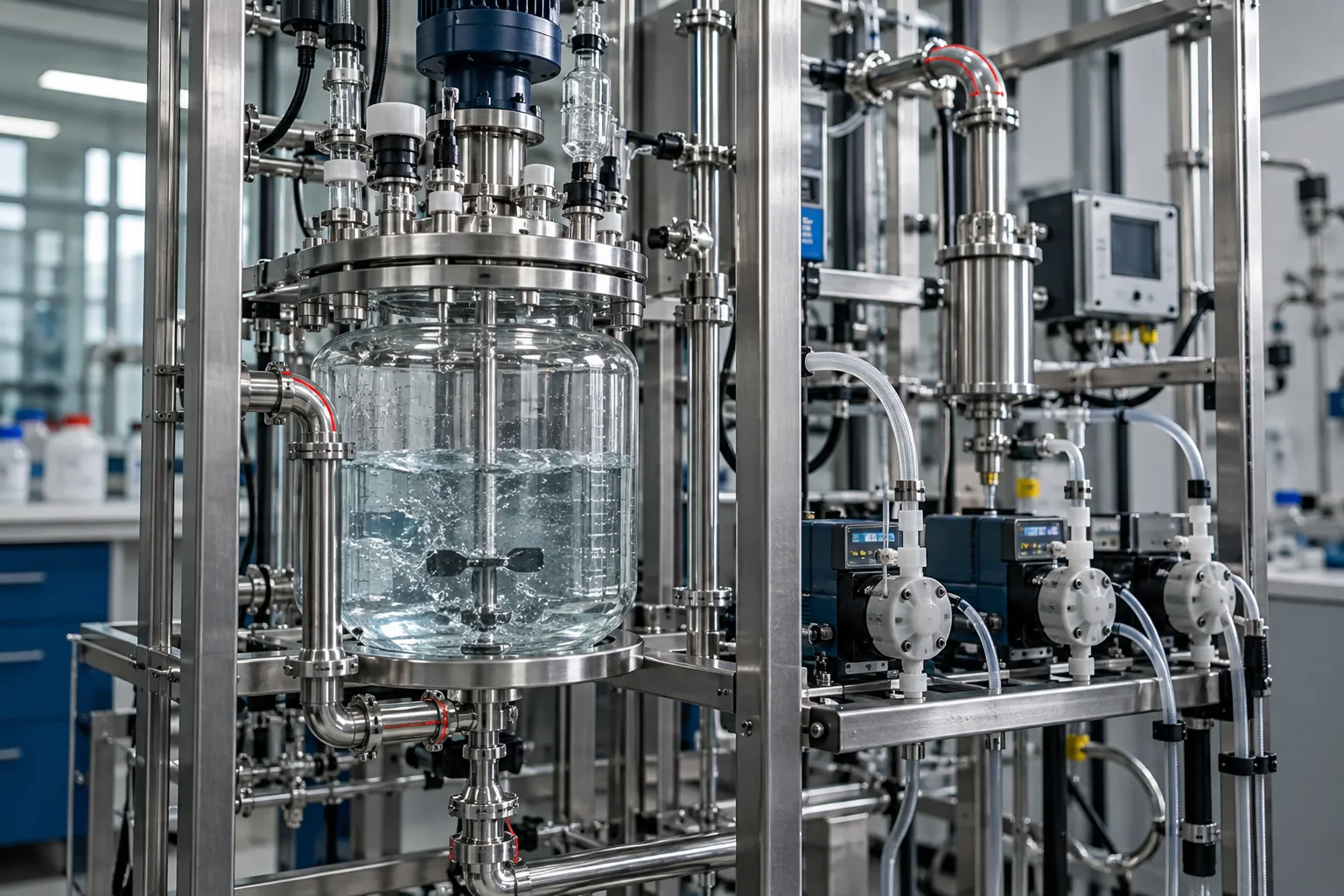
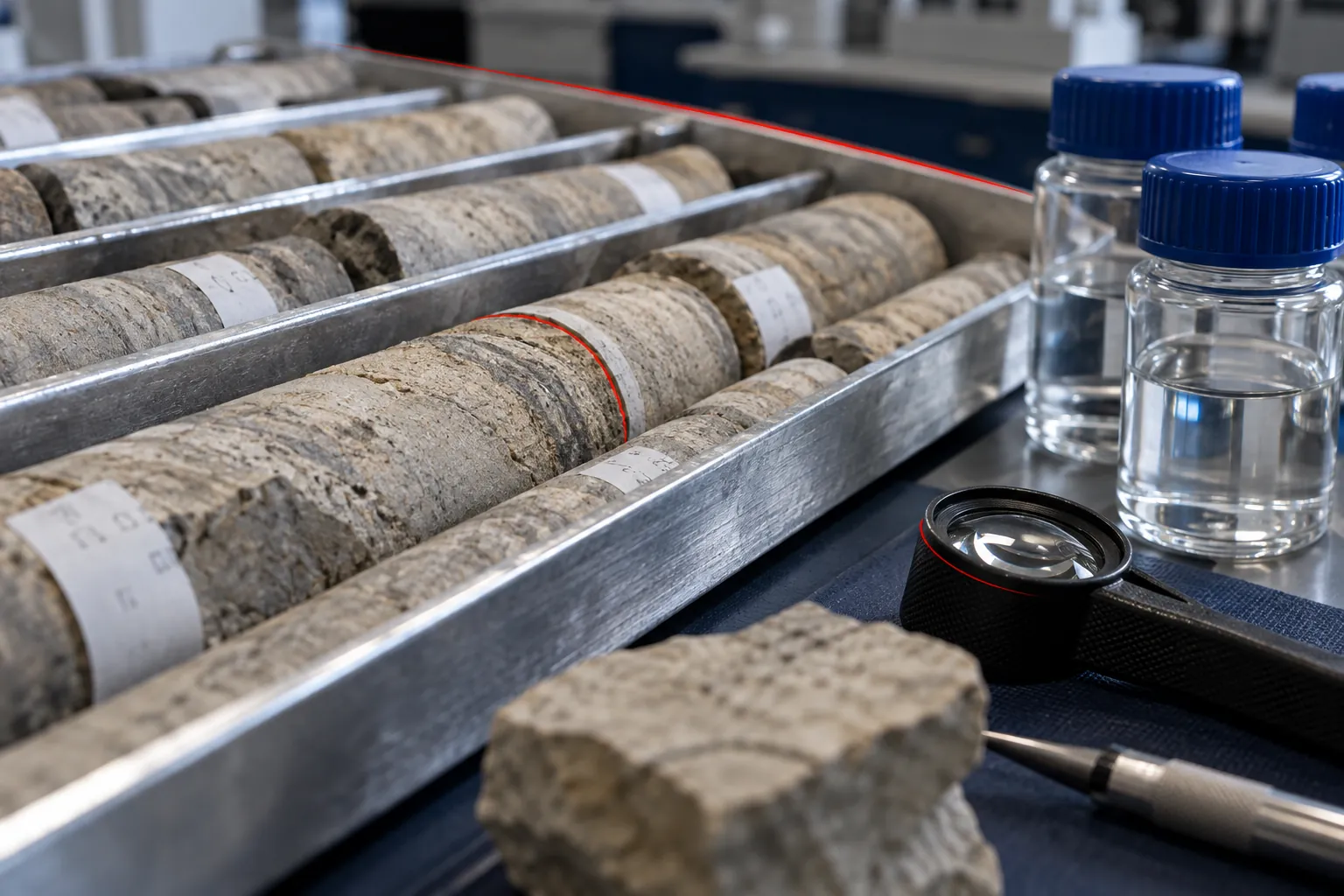
Illustrative application sequence. Roven-branded scenes are AI-generated application concepts; the recovery image is industry reference photography. Neither constitutes a completed Roven installation, validated engineering layout or measured treatment result.

Fit, qualification and value

Reservoir-specific evidence before a recovery pilot.

Where this approach can fit

Selected mature wells or reservoir compartments where the recovery hypothesis, fluid access and surveillance can support an interpretable evaluation.

Roven’s contribution

Selected partner technology, with Roven coordinating candidate assessment, application qualification and specialist interfaces. Access and licensing rights are defined for the assignment.

Qualification basis

Laboratory response supports a next decision; field recovery and persistence require a suitable pilot and observation period.

Operating limits and interfaces

Rock and fluid representativeness, adsorption or retention, injectivity, treatment access, produced-fluid effects and the observation period affect interpretation.

Value measures to agree

  • Response against a defined recovery hypothesis
  • Injectivity and produced-fluid consequences
  • Pilot response, persistence and attributable value

Acceptance criteria, baseline, measurement period and attribution are agreed before a field evaluation. These are assessment criteria, not published performance results.

First engagement

Technology-fit & qualification assessment

A comparative recovery-chemistry program and specialist pilot concept when the evidence supports progression.

Discuss technology fit
The next step

Bring us the application.

The right starting point is the actual stream, conditions and required operating result.

Discuss Your Technical Challenge