
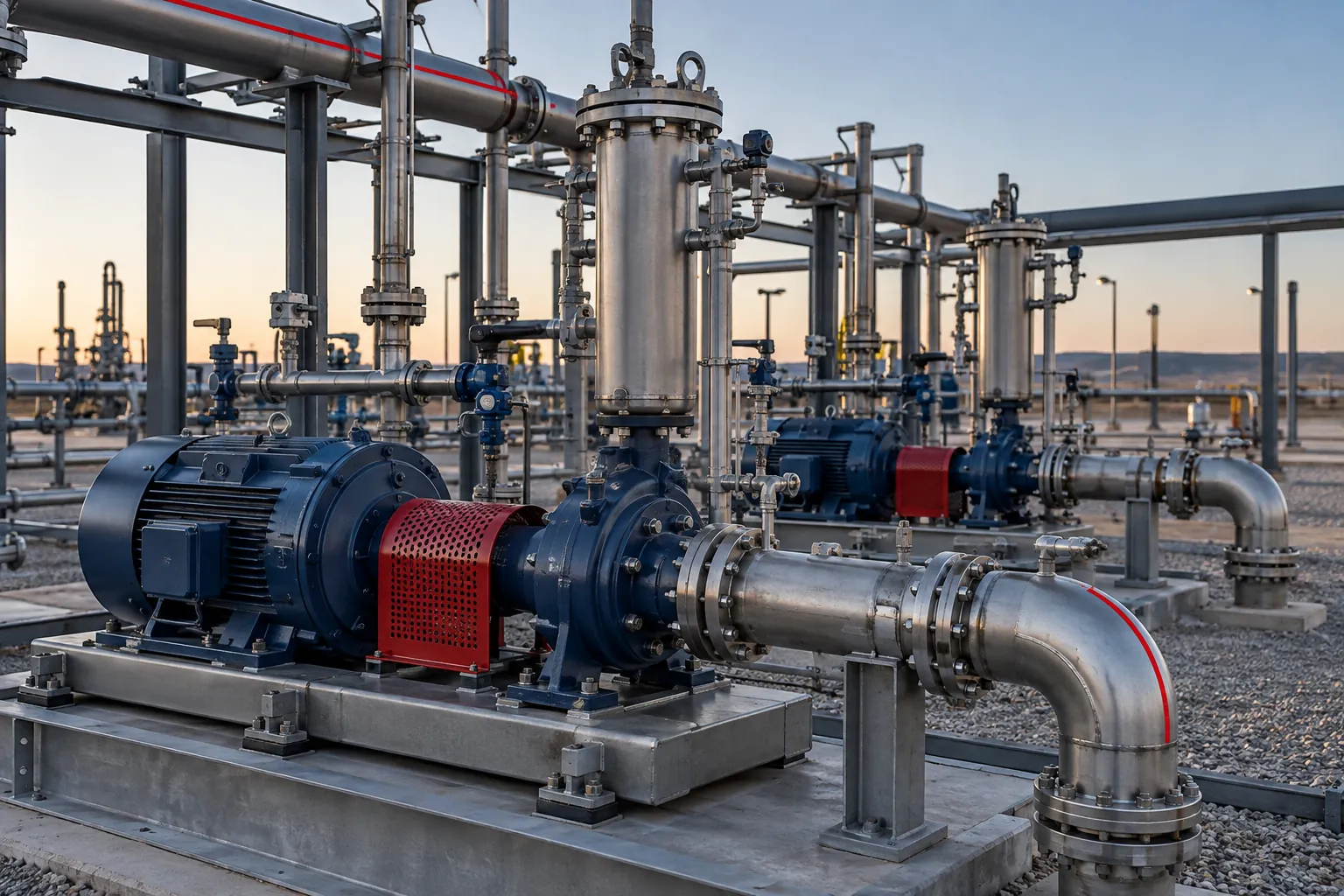
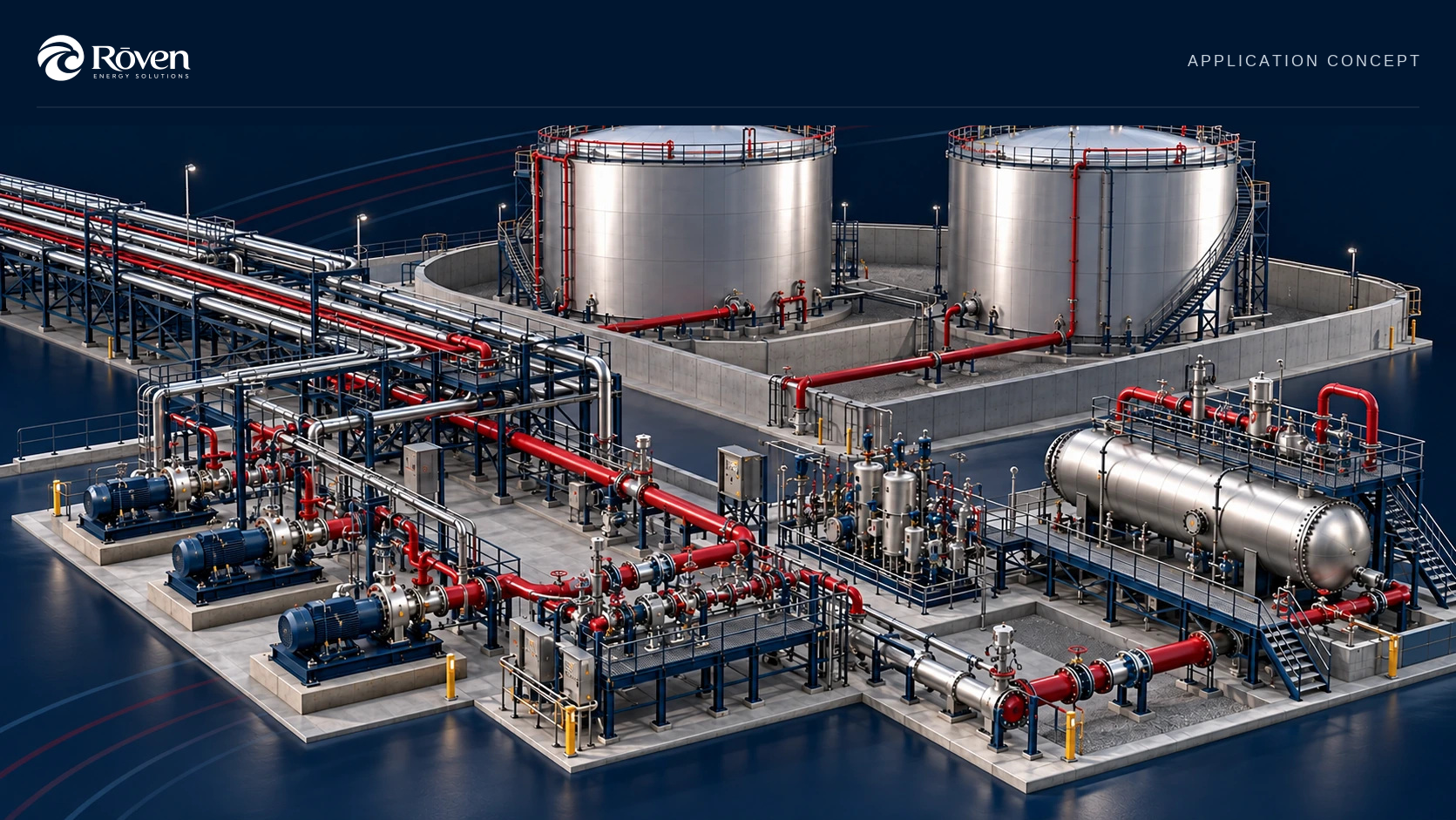
Evaluate the whole route. From crude to receiving terminal.
High viscosity, pumping constraints and dependence on heating or diluent can limit transport options. Any alternative must also work at the receiving end.
What we assess
- Rheology, viscosity, wax and asphaltene assessment
- Heating, diluent and transport-option comparison
- Controlled emulsion transport and flow-loop qualification
- Restart, receiving-end demulsification and water reuse
What your team receives
- Whole-system transport feasibility assessment
- Comparison with current practice and qualification plan
- Pilot basis when technical evidence and economics support it
Chemistry, technology and engineering
Crude-specific transport chemistry, controlled emulsification and receiving-end demulsification are considered with mixing, pumping, pipeline hydraulics and restart requirements.
Qualification and deployment
- Characterize the crude, water, line and receiving facilities against the current transport baseline.
- Qualify rheology, emulsion behavior, representative flow, restart and terminal separation.
- Develop the specialist engineering and monitored pilot basis before considering a larger deployment.
Intended benefits and supporting evidence
The intended value is a technically supported transport option with manageable receiving-end separation, assessed on comparable throughput, operating demands and net cost.
Agree the baseline, acceptance criteria and attribution method before the trial. Supporting laboratory or field evidence is reviewed for the nominated application; the value measures on this page are evaluation criteria, not published performance results.
Technical leadership and delivery
Roven integrates the technology assessment. Hydraulic, pipeline and process specialists establish and approve their engineering basis.
Application boundaries
Added water, pipeline limits, materials and receiving capacity affect the result. A lower laboratory viscosity does not establish a throughput improvement.