Roven proprietary development

Heavy-crude mobility

Connect the transport route to the receiving result.

The operating question

Can the crude move reliably, and can the receiving facility recover acceptable oil and handle the water?

Explore the sequence ↓
Inside the application

See how the solution connects.

Explore five stages, from the operating requirement to the next supported decision.

Roven proprietary developmentIllustrative application sequence
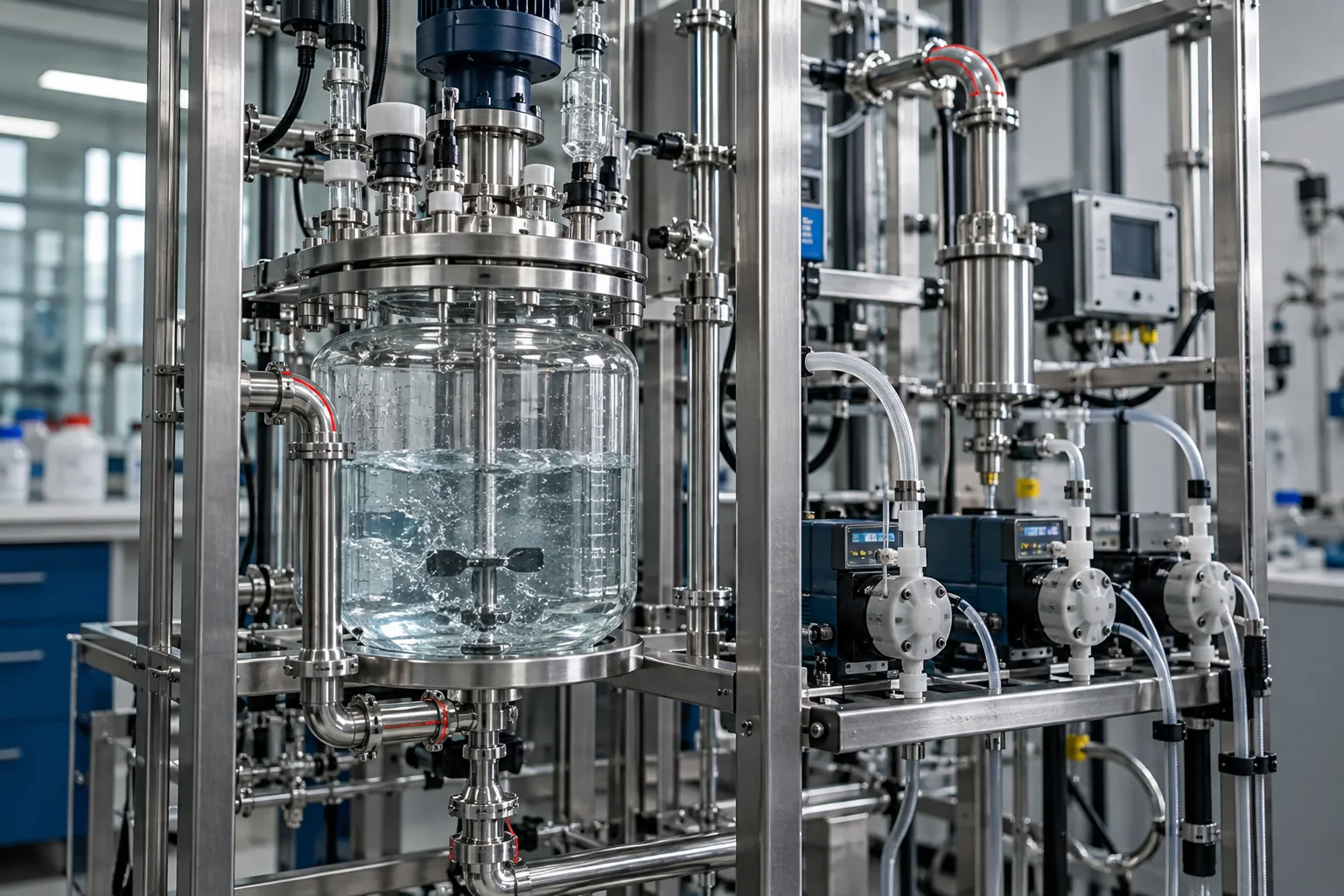
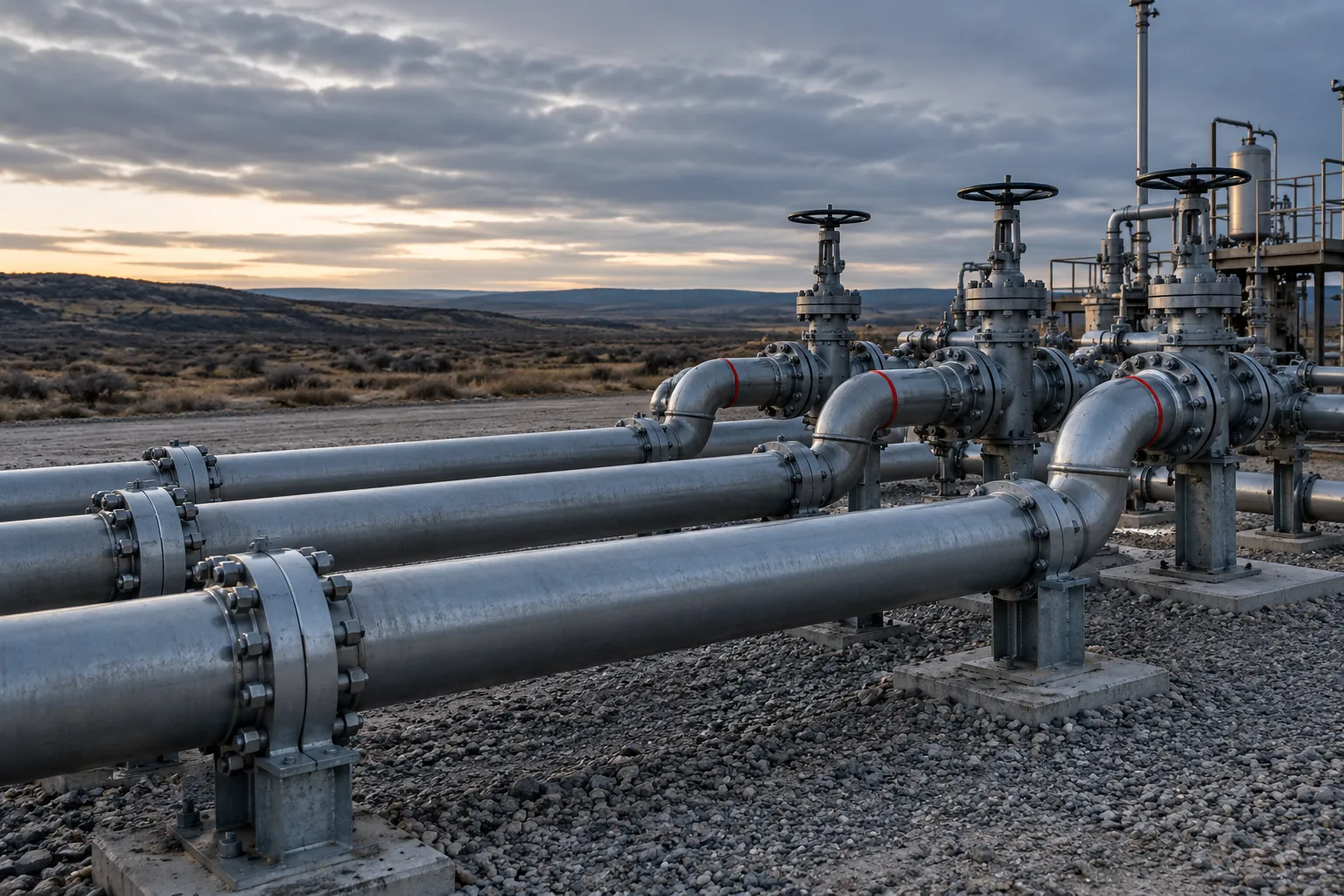
Illustrative Roven containerised heavy-crude treatment concept connected to a tank-farm pipeline, with crude and nanofluid development samples.
Production, transport & receivingAI-generated application concept
  1. 01Characterize the duty
  2. 02Form and qualify
  3. 03Transport and restart
  4. 04Recover and handle
  5. 05Review total value
Step 01 / Characterize the duty

Understand what the route must carry.

Establish the crude, water, throughput, line conditions and existing operating baseline. Agree the transport and receiving boundaries together.

Decision outputA common comparison basis
Technical checks

Crude and water properties; route constraints; throughput and temperature range.

Step 02 / Form and qualify

Engineer the fluid response.

Assess selected chemistry and mixing to create the intended transport emulsion. Compare representative rheology, stability and compatibility.

Decision outputA candidate treatment and test envelope
Technical checks

Mixing energy, dose basis, composition, shear and representative stability.

Step 03 / Transport and restart

Include interruptions in the assessment.

Use representative flow and restart evaluation to inform hydraulic, pump and operating requirements. Establish the conditions that need a controlled pilot.

Decision outputA justified transport and restart basis
Technical checks

Flow response, shutdown conditions, restart demand and materials interfaces.

Step 04 / Recover and handle

Close the receiving-end balance.

Evaluate demulsification, crude recovery, interface behavior and separated-water handling. The receiving result forms part of the solution.

Decision outputOil and water acceptance criteria
Technical checks

Receiving residence time, treatment compatibility, oil quality and water destination.

Step 05 / Review total value

Evaluate the complete operating result.

Compare the agreed baseline with the qualified application, including chemistry, equipment, energy, heating or diluent, water and waste. Expand only on an agreed evidence basis.

Decision outputA decision to refine, pilot or scale
Technical checks

Common system boundary, measurement period, variability and attribution.

Illustrative application sequence. Roven-branded scenes are AI-generated application concepts; the recovery image is industry reference photography. Neither constitutes a completed Roven installation, validated engineering layout or measured treatment result.

Fit, qualification and value

A connected approach to crude transportation.

Where this approach can fit

Nominated heavy-crude systems where a controlled oil-in-water transport concept merits comparison with existing heating, diluent or other transport arrangements.

Roven’s contribution

Roven’s integrated heavy-crude mobility and receiving-end treatment concept. Individual materials, equipment and supply rights are identified in the application package.

Qualification basis

Application-specific laboratory, flow-loop and pilot evidence must be established for the nominated system.

Operating limits and interfaces

Crude and water composition, emulsion stability, shear, temperature, shutdown duration, receiving separation and water-handling capacity define the application envelope.

Value measures to agree

  • Transport duty and restart requirements
  • Accepted oil and separated-water quality
  • Combined chemistry, energy, equipment and handling cost

Acceptance criteria, baseline, measurement period and attribution are agreed before a field evaluation. These are assessment criteria, not published performance results.

First engagement

Technology-fit & qualification assessment

A whole-system feasibility and pilot basis, including the transport and receiving facilities.

Discuss technology fit
The next step

Bring us the application.

The right starting point is the actual stream, conditions and required operating result.

Discuss Your Technical Challenge