
Qualification at the scale of the reservoir question.
A plausible recovery opportunity needs a supported mechanism, representative fluids and rock, and an intervention that fits the well and reservoir.
What we assess
- Candidate screening and reservoir-specific recovery hypotheses
- Wettability, interfacial tension and imbibition evaluation
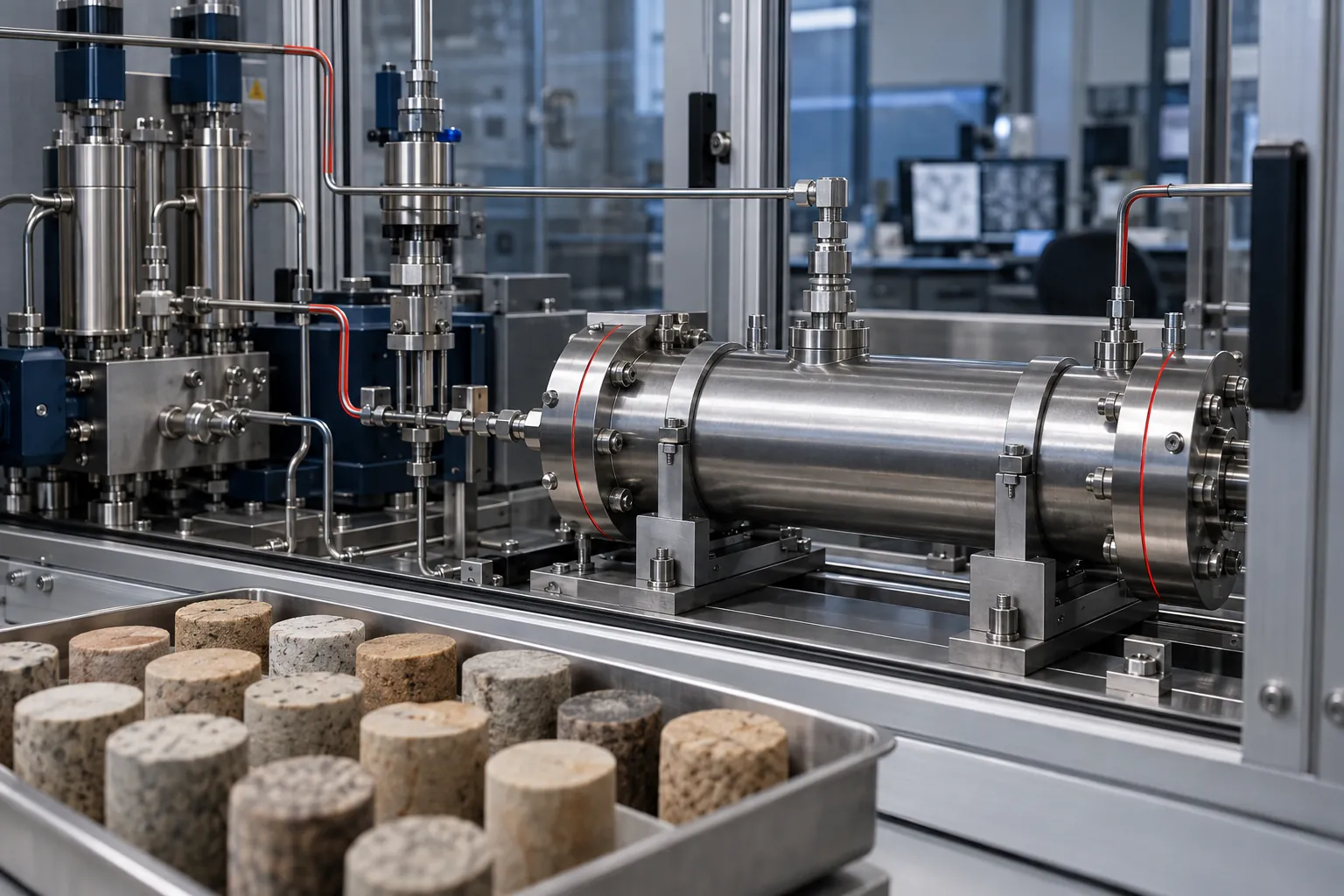
- Crude-brine-rock compatibility and core-flood programs
- Retention, injectivity, formation damage and selected pilot concepts
What your team receives
- Candidate assessment and recovery-chemistry qualification plan
- Comparative laboratory evidence and application limits
- Specialist pilot concept and preliminary economics
Chemistry, technology and engineering
Selected partner recovery chemistry, smart fluids and reservoir-fluid testing support a defined recovery hypothesis. Responsible reservoir and well specialists establish the application and intervention basis.
Qualification and deployment
- Screen the reservoir or well candidate and characterize representative crude, brine and rock.
- Evaluate the proposed mechanism, compatibility, retention, injectivity and produced-fluid consequences.
- Use supporting evidence to define a selected pilot, monitoring period and method for attributing incremental response.
Intended benefits and supporting evidence
The intended value is a justified decision on targeted recovery potential, followed where supported by a controlled pilot and an attributable operational result.
Agree the baseline, acceptance criteria and attribution method before the trial. Supporting laboratory or field evidence is reviewed for the nominated application; the value measures on this page are evaluation criteria, not published performance results.
Technical leadership and delivery
Roven coordinates partner-enabled qualification. Responsible reservoir and well specialists design the intervention.
Application boundaries
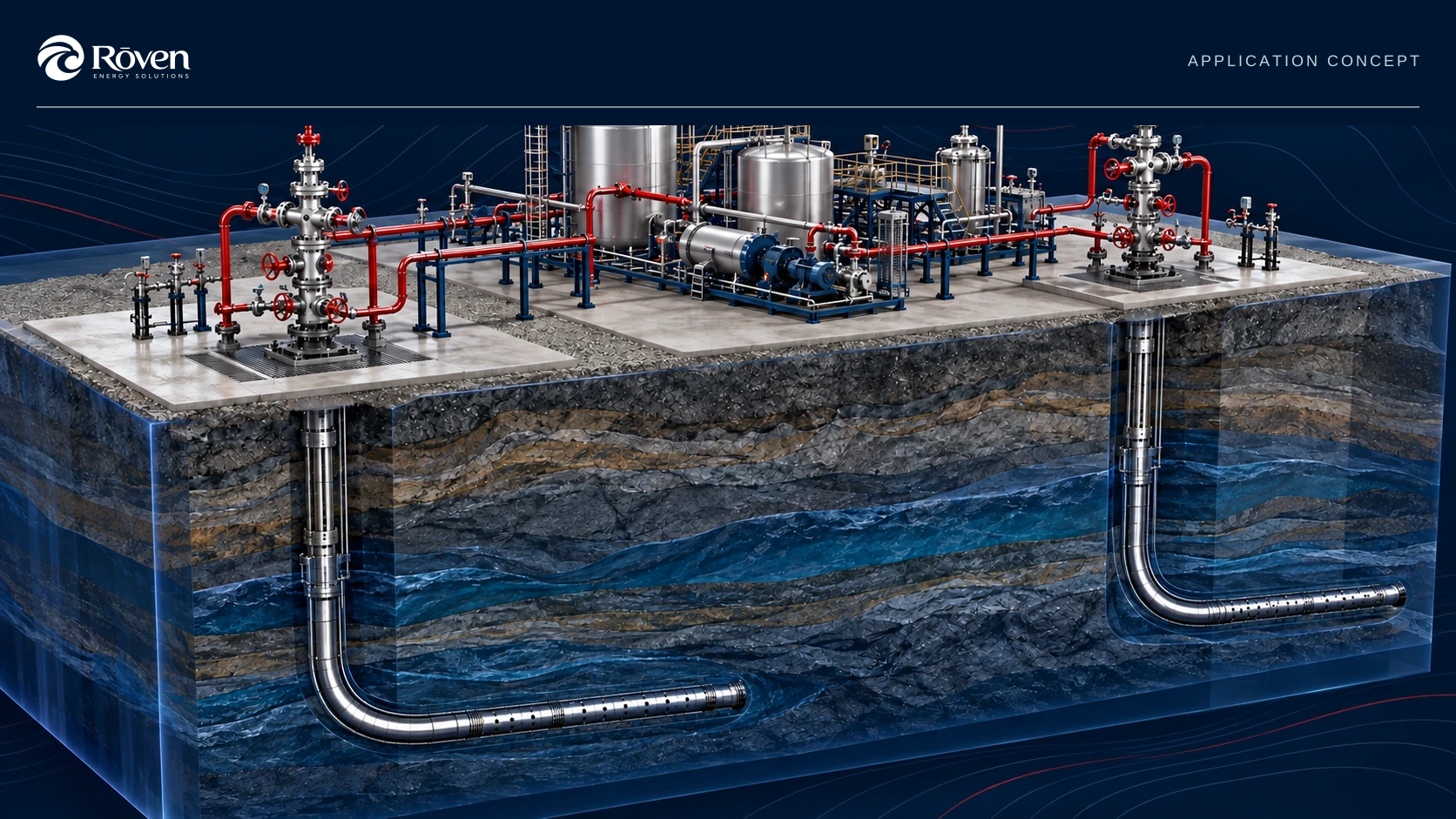
This is targeted, pilot-based recovery improvement. Laboratory response does not establish reserves or a full-field flooding case.