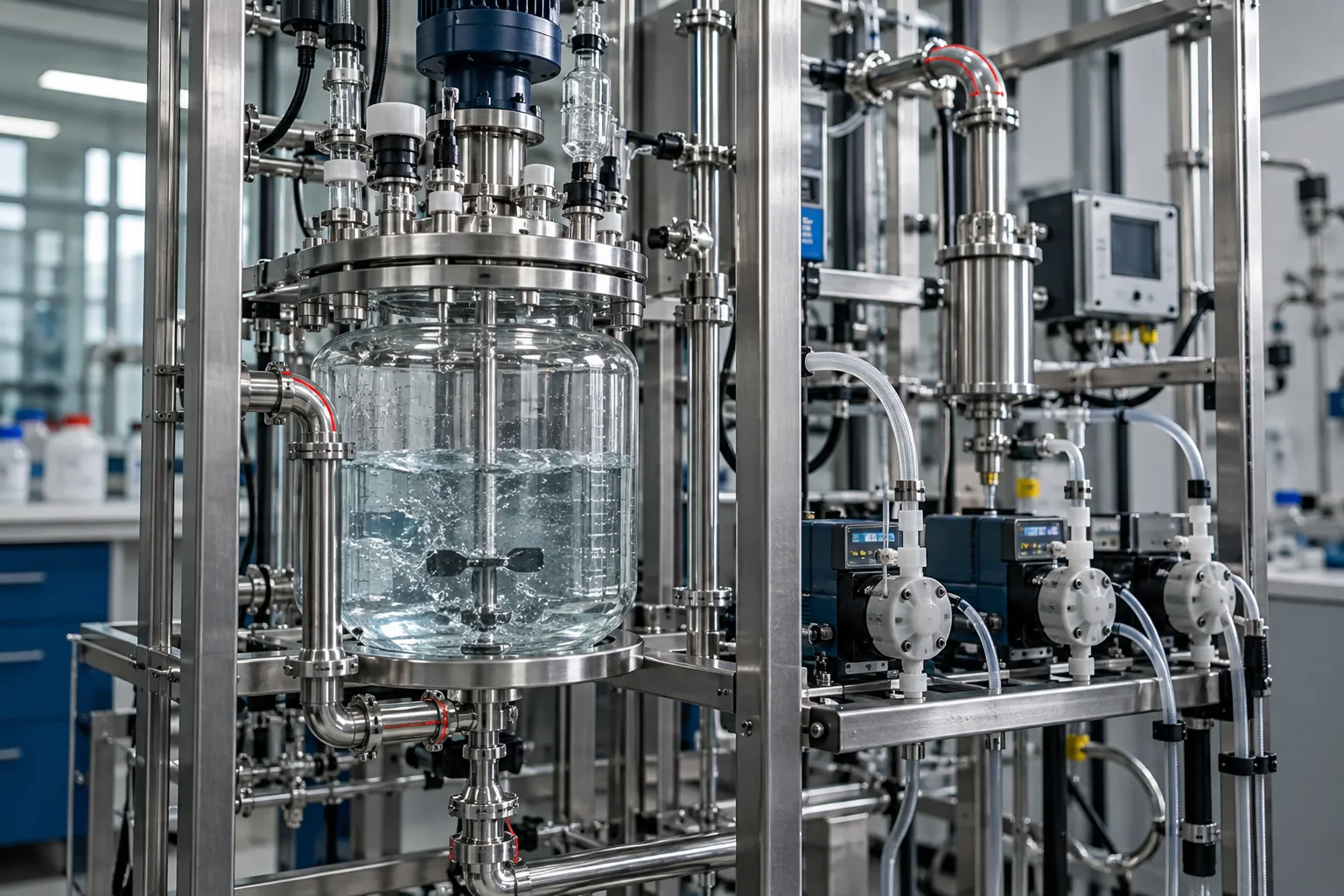
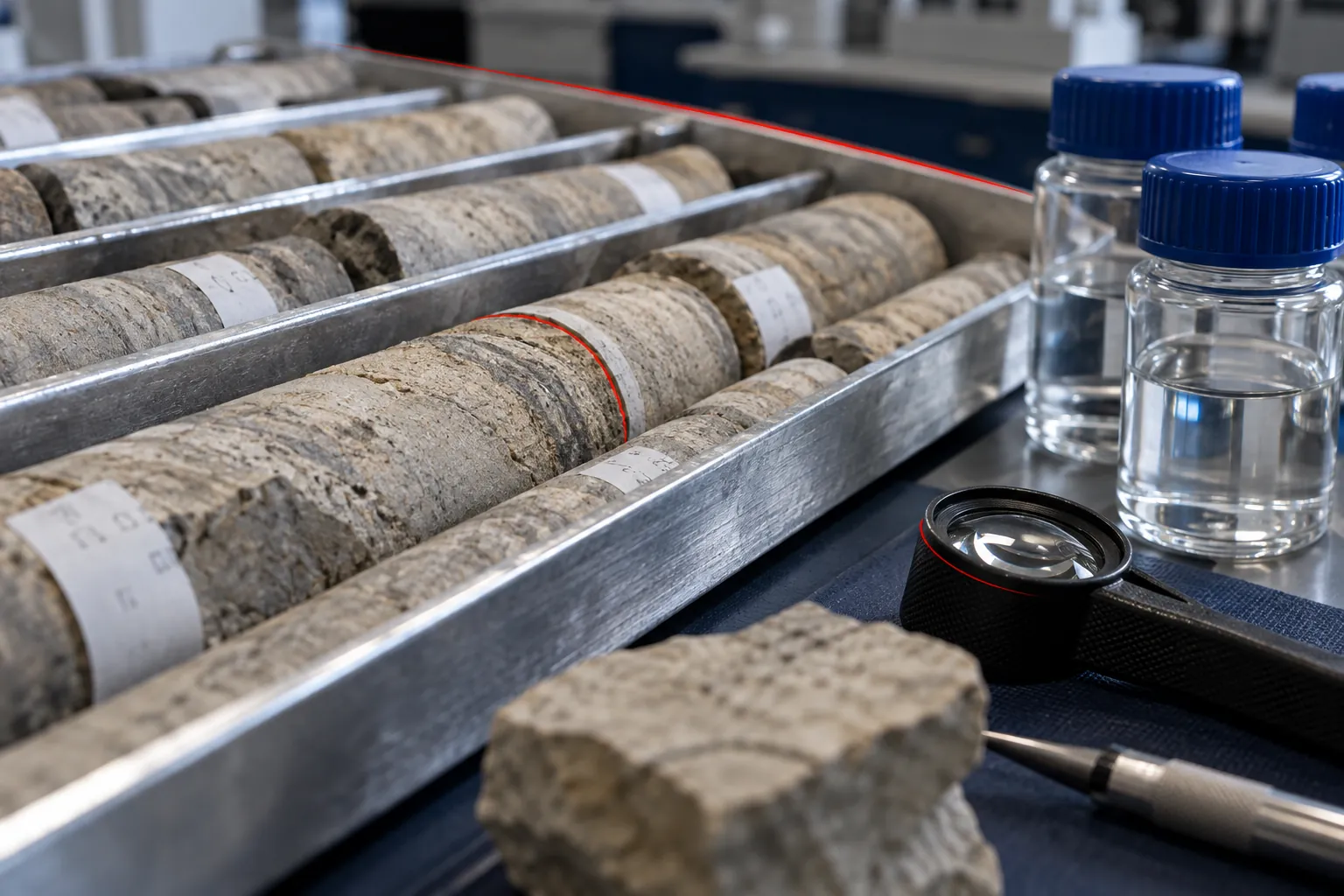
State the recovery hypothesis
Identify the mechanism being evaluated and the candidate well or compartment. Establish why the available crude, brine and rock materials are suitable for the intended question.
Use a relevant comparison
Agree controls, treatment identity and representative conditions. Wettability, interfacial-tension, imbibition and core-response methods answer different parts of the question and should be selected accordingly.
Review the interfaces
Evaluate relevant retention, injectivity, compatibility and produced-fluid consequences. Partner technology access and specialist reservoir responsibilities are established for the proposed assignment.
Design for interpretation
A specialist pilot basis needs a baseline, surveillance, observation period and attribution approach. A laboratory response alone does not establish field recovery, persistence or commercial value.
Roven application perspective, developed from the company’s defined technical scope and qualification approach. This article explains assessment considerations; it does not report a completed Roven project or measured customer result.
Issue 01 · October 2026. The test methods, acceptance criteria and specialist responsibilities are agreed for the actual application.